Different Sorting Algorithms
 |
 |
 |
 |
Sorting algorithms are methods used to arrange lists of items, like numbers or words, into a specific order such as smallest to largest or alphabetically. Sorting helps make data easier to find, understand, and use. For example, sorting a list of names helps you locate one quickly. There are many kinds of sorting algorithms, each with its own way of comparing and moving items. Some are simple and easy to understand, while others are faster and more efficient for large amounts of data. Sorting is one of the most common tasks in computer programming and is used in everything from apps to search engines.
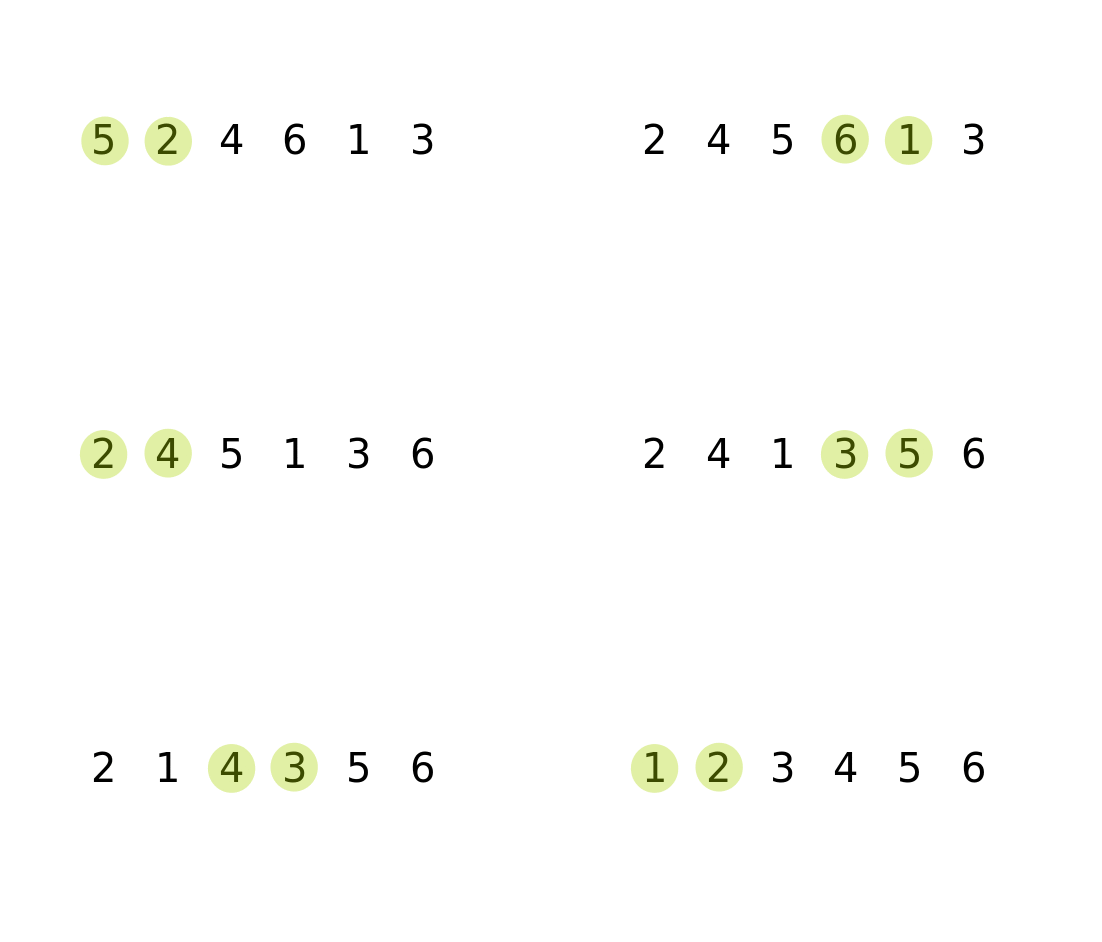
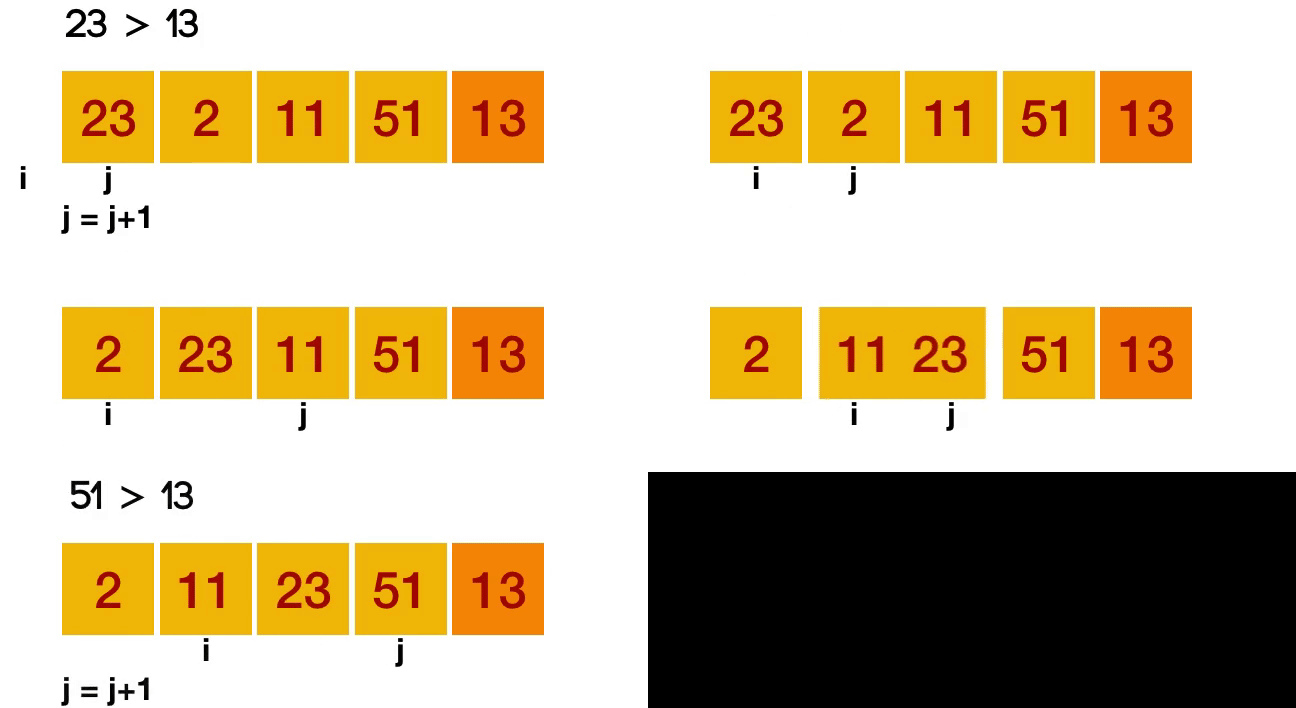
Different sorting algorithms work in different ways. Bubble sort, for example, repeatedly goes through the list and swaps items that are out of order until everything is sorted. Insertion sort builds a sorted list one item at a time, while merge sort divides the list into smaller parts and then combines them in the correct order. Each method has strengths and weaknesses, and some are quick for small lists but slow for large ones. Learning about sorting algorithms helps programmers choose the best one for the job and understand how computers organize information efficiently.
|
|
|
|